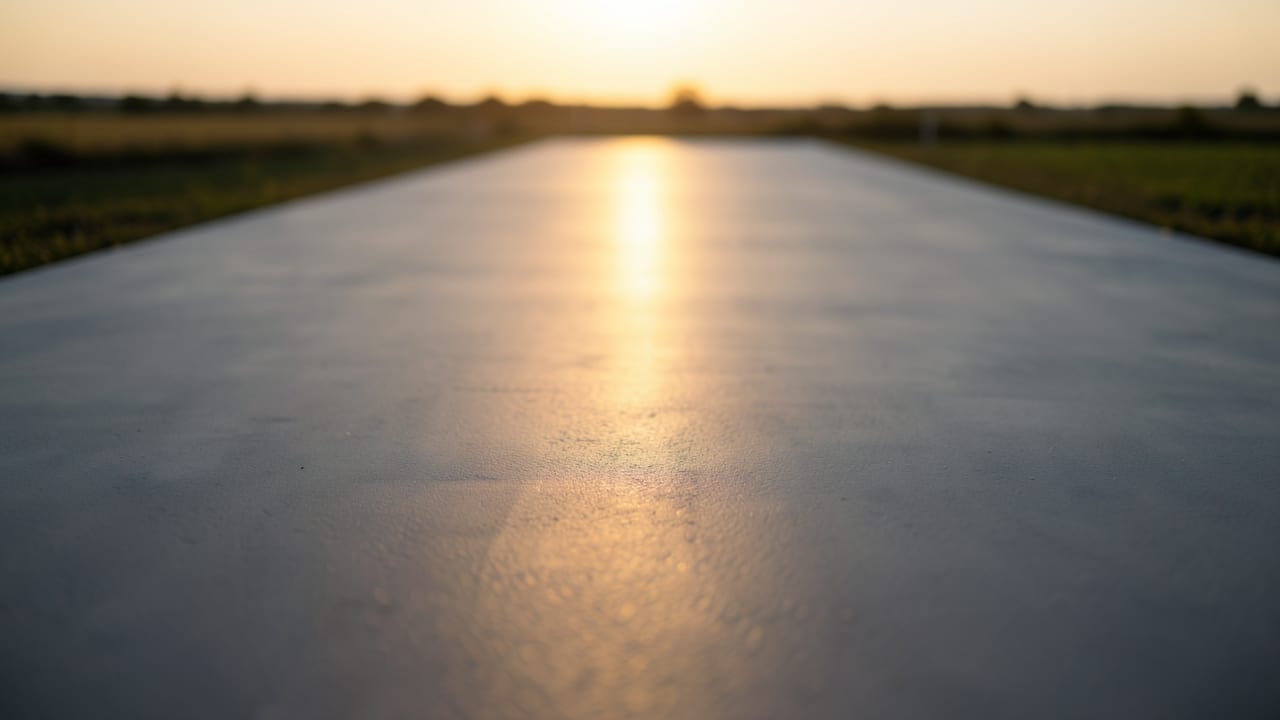
Oil Stain Removal
High-pressure cleaning to remove oil stains from driveways, garages, and other surfaces.
Oil stains on driveways, garages, or pavers in Land O’ Lakes, FL, are tough to remove without specialized equipment and techniques. Pressure washing with targeted cleaning solutions lifts embedded oil residue, restoring surfaces without damaging concrete, asphalt, or pavers.
The process prioritizes safety for landscaping and nearby structures while addressing stubborn stains that regular cleaning misses.
We also handle Pool Deck Cleaning and Brick Cleaning for Land O\ properties.
Why oil stains need professional removal
Oil stains from vehicles, machinery, or spills penetrate porous surfaces like concrete and asphalt, leaving behind dark, stubborn marks. Over time, these stains spread and darken, making them harder to remove with standard cleaning methods.
Professional oil stain removal uses high-pressure equipment paired with degreasers to break down and lift the residue without damaging the surface.
Ignoring oil stains can lead to permanent discoloration, especially in high-traffic areas like driveways or garage floors. The longer the stain sits, the more it bonds with the material, requiring stronger chemicals or repeated treatments to fully restore the appearance.
A targeted approach ensures the stain is lifted—not just pushed deeper into the surface.
Signs You Need Oil Stain Removal
- Dark, greasy spots that don’t fade with soap and water or basic pressure washing.
- Stains that spread or darken over time, even after attempts to clean them.
- A dull or uneven appearance on your driveway, garage floor, or paved walkways.
- Residue that feels sticky or leaves a film when touched, even after scrubbing.
What affects the process and cost
The size of the area being treated—such as a single-car driveway versus a large garage or expansive paver patio—directly impacts both time and pricing. Larger surfaces require more cleaning solution, longer dwell time, and additional passes to ensure even coverage.
Stubborn stains may need a second application of degreaser before pressure washing.
Surface material also plays a role. Asphalt and concrete absorb oil differently, which can influence the type of degreaser used and the pressure settings applied. Pavers, with their grout lines and varied materials, may need spot treatment to avoid damaging the mortar or dislodging stones.
Pre-existing cracks or damage on the surface can complicate the process, as they may trap residue or require extra care.
Safety and surface protection
Before any pressure washing begins, landscaping near the work area is wetted down and covered to prevent runoff from cleaning solutions. Exterior outlets, fixtures, and plants are also protected, as overspray can damage siding, paint, or vegetation.
This step is critical, as chemical runoff is a common complaint after pressure washing jobs.
The cleaning process itself uses a two-step approach: first, a degreaser formulated for oil stains is applied at low pressure to break down the residue.
After a dwell time to ensure the solution works, the area is rinsed with a wide-fan nozzle at controlled pressure to lift the stain without scattering it. This method minimizes the risk of spreading oil deeper into the surface.
Using a standard pressure washer without degreaser or proper technique can push oil deeper into porous surfaces, making stains permanent. Improper pressure settings may also crack concrete or damage pavers, leading to costly repairs.
How oil stain removal works
A professional approach combines degreasers and controlled pressure to lift embedded oil without damaging surfaces.
- 1Surface Assessment
The area is inspected for cracks, damage, or sensitive materials that require special handling. Landscaping and nearby structures are protected with covers or barriers to prevent chemical exposure.
- 2Degreaser Application
A heavy-duty degreaser designed for oil stains is sprayed onto the surface at low pressure. The solution is left to dwell for several minutes to break down the residue chemically.
- 3Pressure Washing
Using a wide-fan nozzle set to 500 psi or lower, the degreaser and lifted oil are rinsed away in overlapping passes. Stubborn spots may receive a second application before final rinsing.
- 4Inspection and Touch-Ups
The surface is walked and checked for missed spots or damage. Any remaining stains are targeted with additional degreaser or pressure adjustments before a final clear-water rinse.
Frequently asked questions
Will pressure washing remove oil stains completely, or will they come back?
Pressure washing with degreasers can significantly lighten or eliminate oil stains, but results depend on the stain’s age, surface material, and how deeply it’s embedded. Some stains may require multiple treatments, and preventive measures—like sealing porous surfaces—can help them last longer.
Can oil stains damage my driveway or garage floor over time?
Oil stains themselves don’t structurally damage concrete or asphalt, but they can make surfaces look worn and attract more dirt. The real risk comes from using improper cleaning methods, like high-pressure blasting without degreaser, which can crack or etch the surface.
How long does the oil stain removal process take for a typical driveway?
For a standard single-car driveway, the process usually takes 1–2 hours, including prep, degreaser application, pressure washing, and final inspection. Larger areas or heavily stained surfaces may require additional time or a second visit.
Do I need to seal my driveway after oil stain removal?
Sealing isn’t always necessary but can help protect the surface and make future cleaning easier. A professional can assess whether your driveway’s condition benefits from a sealant after the stains are removed.
See Lake Magdalene, FL for more, or see our full crew's Land O\ services before booking for our complete lineup.
Ready to get started?
Talk to a local pressure washing pro in Land O\ — get a written quote.
Other Pressure Washing Services in Land O\
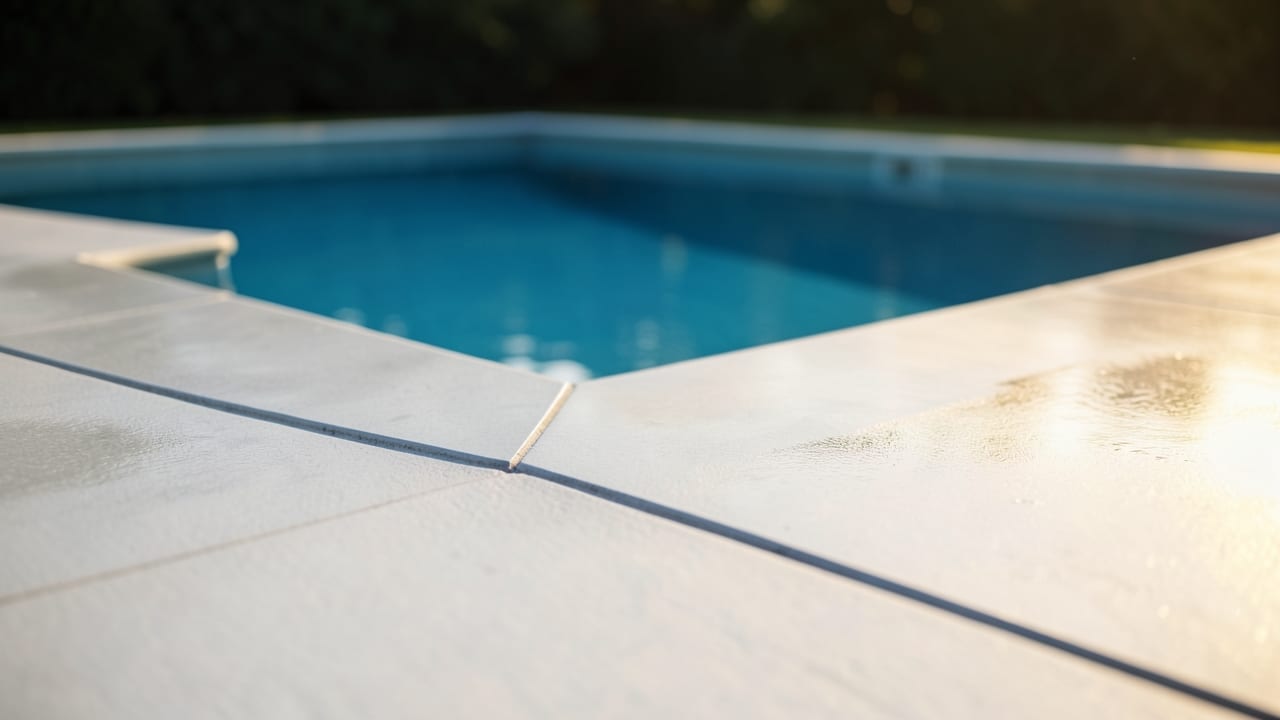
Pool Deck Cleaning in Land O\, FL
Pool deck cleaning in Land O\, FL — chemical-safe cleaning that restores slip resistance and removes algae staining.
Learn More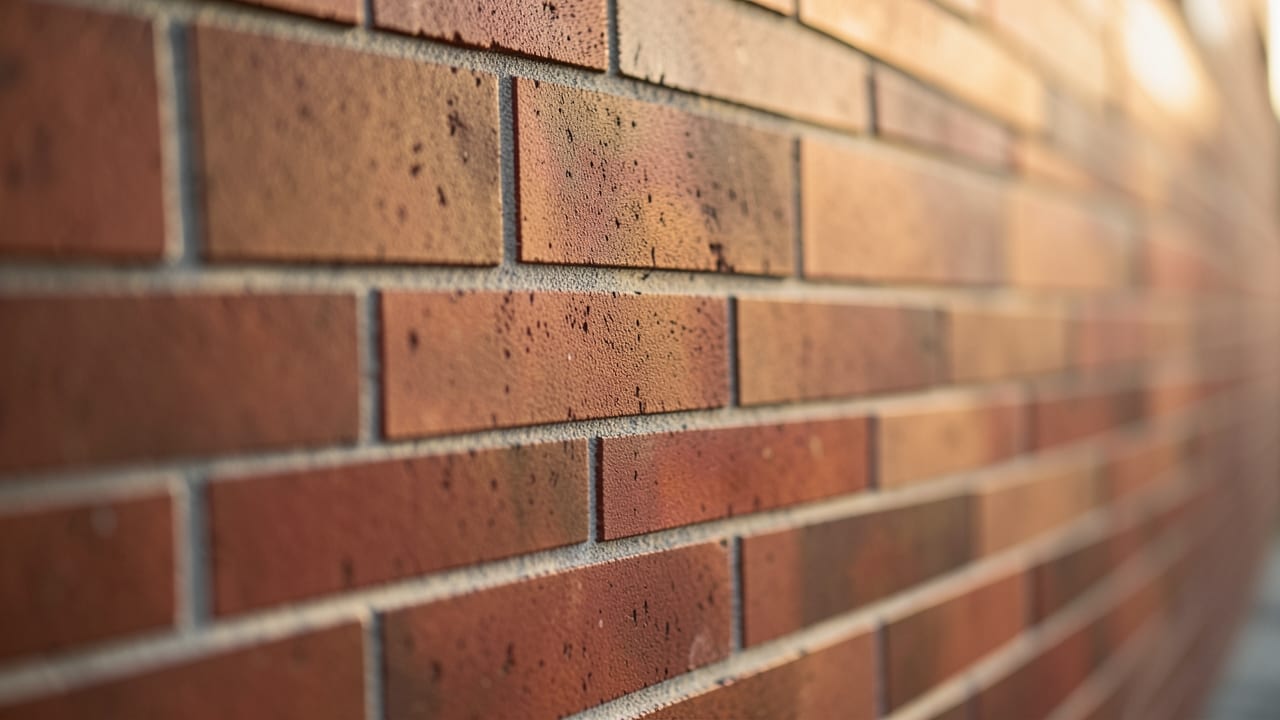
Brick Cleaning in Land O\, FL
Professional pressure washing to remove dirt, grime, and stains from brick surfaces.
Learn More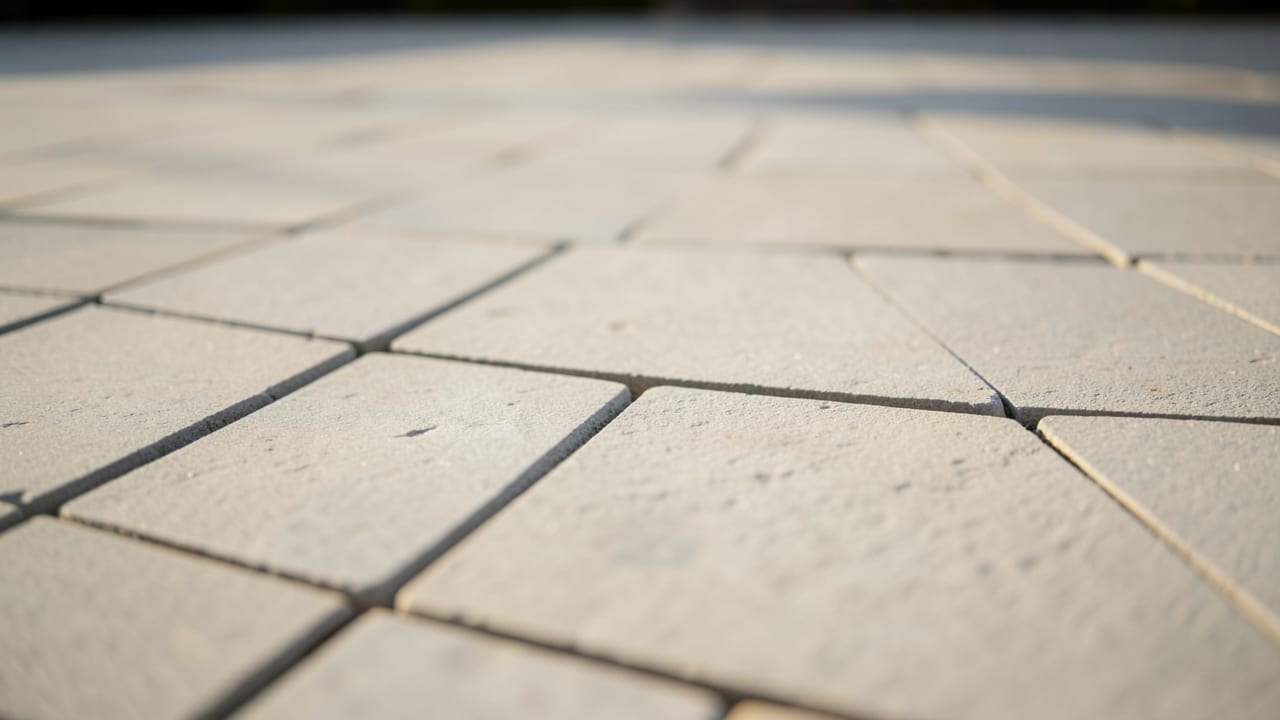
Stone Cleaning in Land O\, FL
High-pressure washing to remove dirt, grime, and stains from stone surfaces like driveways and patios.
Learn More
Patio Cleaning in Land O\, FL
High-pressure washing to remove dirt, grime, and stains from patios, restoring their appearance.
Learn More
Parking Lot Cleaning in Land O\, FL
High-pressure washing to remove dirt, oil, and debris from parking lot surfaces.
Learn More
Storefront Cleaning in Land O\, FL
High-pressure washing to remove dirt, grime, and stains from storefront exteriors.
Learn MoreCommon Questions About Pressure Washing in Land O\
Everything you need to know about pressure washing services in Land O\
How much does Oil Stain Removal typically cost in Land O\, FL?
Why does algae and mildew growth on homes in Land O\, FL come back so quickly?
Can pressure washing strip paint or an existing sealant off a surface?
Is renting a pressure washer and doing the job at home a reasonable option?
How long does washing a typical house exterior take?
Can pressure washing damage concrete, pavers, or mortar joints?
Need Pressure Washing in Land O\?
Get a written quote from our Land O\ crew.
⏰ We answer your call • Serving all of Land O\ and surrounding areas