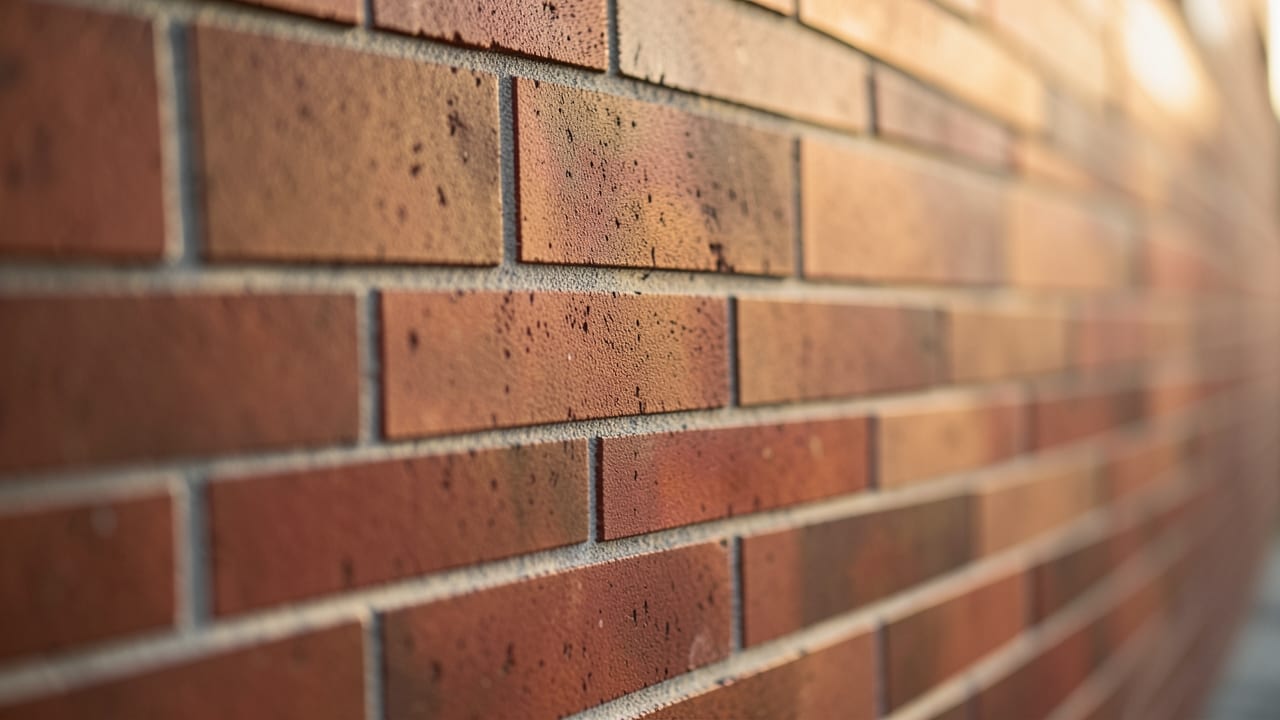
Brick Cleaning
Professional pressure washing to remove dirt, grime, and stains from brick surfaces.
Brick cleaning in Land O’ Lakes, FL, restores the appearance of your home’s exterior by removing dirt, mold, and mineral deposits from brick walls, walkways, and patios. This process uses controlled pressure washing and targeted treatments to preserve masonry while improving curb appeal.
Local climate and moisture levels make regular maintenance especially important in this area.
We also handle Salt Deposit Removal and Pre-Winter Gutter Prep for Land O\ properties.
When brick cleaning is needed
Not all discoloration on brick is just dirt. Efflorescence—a white, chalky haze—forms when water-soluble minerals rise to the surface, while algae or mildew appear as greenish-black films, often worse on shaded sides.
These issues require specialized cleaning to avoid damaging the brick or mortar. Stains concentrated below downspouts or rooflines may signal recurring moisture problems that cleaning alone won’t fix.
Check mortar joints for recession or crumbling before cleaning. Weak mortar absorbs moisture faster, accelerating deterioration if cleaned with high pressure. If joints are visibly recessed or soft to the touch, the cleaning process must be adjusted to avoid worsening the issue.
Ignoring these signs can lead to more extensive—and costly—repairs later.
Signs Your Brick Needs Cleaning (and Why)
- White chalky patches (efflorescence) — mineral deposits from water movement through the brick. Requires chemical treatment, not pressure alone.
- Greenish-black films (algae/mildew) — worse on shaded or damp sides. Indicates moisture retention, not just surface dirt.
- Dark streaks below downspouts or rooflines — runoff carrying dirt to specific spots. Redirecting water helps prevent recurrence.
- Recessed or crumbling mortar joints — absorbs moisture faster, making it prone to further erosion if cleaned improperly.
What affects pricing and results
The size of the area and the condition of the brick and mortar are the primary factors in pricing. Older brick or natural stone may require lower pressure and more careful handling to avoid pitting or surface damage.
Efflorescence and deep stains often need chemical treatments, which can add to the cost. Additionally, accessibility—such as multi-story walls or tight spaces—may require extra time and equipment.
A full exterior brick cleaning typically ranges in cost based on square footage and local market rates. However, the actual price depends on the specific surfaces involved, the extent of staining, and whether additional treatments like sealing are needed.
Always confirm whether the quote includes inspections for pre-existing damage, as this can surface once cleaning begins.
After cleaning: maintenance tips
Cleaning brick removes surface grime, but preventing future buildup requires reducing moisture exposure. Redirect downspouts and sprinklers away from walls, and keep mulch or dense plantings clear of the foundation to limit dampness.
Applying a vapor-permeable sealer after cleaning helps repel water while allowing the brick to dry internally, reducing efflorescence and staining over time.
Regular inspections of mortar joints—especially after heavy rain or seasonal changes—can catch deterioration early. Repointing crumbling mortar before it worsens is less expensive than replacing damaged sections later. If staining recurs in the same spots, check for hidden moisture sources like leaks or poor drainage.
A vapor-permeable sealer (not a non-breathable one) helps brick stay cleaner longer by reducing water absorption without trapping moisture inside the wall. Reapply every 2–3 years or as needed, based on local weather and exposure.
How brick cleaning works
- 1Inspect Brick and Mortar
The process begins with a thorough check of the brick’s condition and mortar joints. Crumbling or recessed mortar requires lower pressure and targeted cleaning to avoid accelerating damage. Efflorescence and stains are identified to determine if chemical treatments are needed.
- 2Apply Low-to-Medium Pressure
Pressure washing is done across the brick face—not directly into joints—to prevent mortar erosion. Softer brick or stone uses lower pressure to avoid pitting, while harder surfaces may tolerate slightly higher settings. The goal is to lift dirt without altering the texture.
- 3Treat Stains and Efflorescence
White mineral deposits (efflorescence) and organic stains are treated with a masonry-safe solution rather than scrubbed off. This prevents surface damage and ensures the brick’s natural color is preserved. Corners and edges receive extra attention to avoid streaking.
- 4Rinse and Re-Inspect
A final rinse removes loosened residue, and mortar joints are checked again for signs of deterioration. Wet joints reveal cracks or crumbling that may need repointing. The wall is left dry to prevent freeze-thaw damage if cleaning occurs before cold weather.
Frequently asked questions
Will pressure washing damage my old brick or mortar?
Older brick or weak mortar can be damaged by high pressure, which is why the process uses lower settings and avoids directing water straight into joints. A pre-cleaning inspection ensures the right pressure is used for your specific materials.
How long does it take to clean a typical brick wall?
Cleaning time depends on the wall’s size, stain severity, and whether chemical treatments are needed. A single-story exterior usually takes 4–8 hours, while patios or walkways may require 1–3 hours. Complex staining or large areas can extend the job.
Can I clean my brick myself, or should I hire a professional?
DIY cleaning risks damaging soft brick or mortar if pressure or chemicals aren’t applied correctly. Professionals use equipment and solutions designed for masonry, reducing the chance of pitting, streaking, or joint erosion. They also spot hidden issues like moisture damage.
Why does my brick keep getting dirty so quickly after cleaning?
Recurring stains often stem from moisture sources like downspouts draining against the wall or sprinklers wetting the same spots. Redirecting water and sealing the brick can slow future buildup, but cleaning alone won’t fix hidden dampness.
See Westchase, FL for more, or discover our full Land O\-area coverage side by side for our complete lineup.
Ready to get started?
Talk to a local pressure washing pro in Land O\ — get a written quote.
Other Pressure Washing Services in Land O\
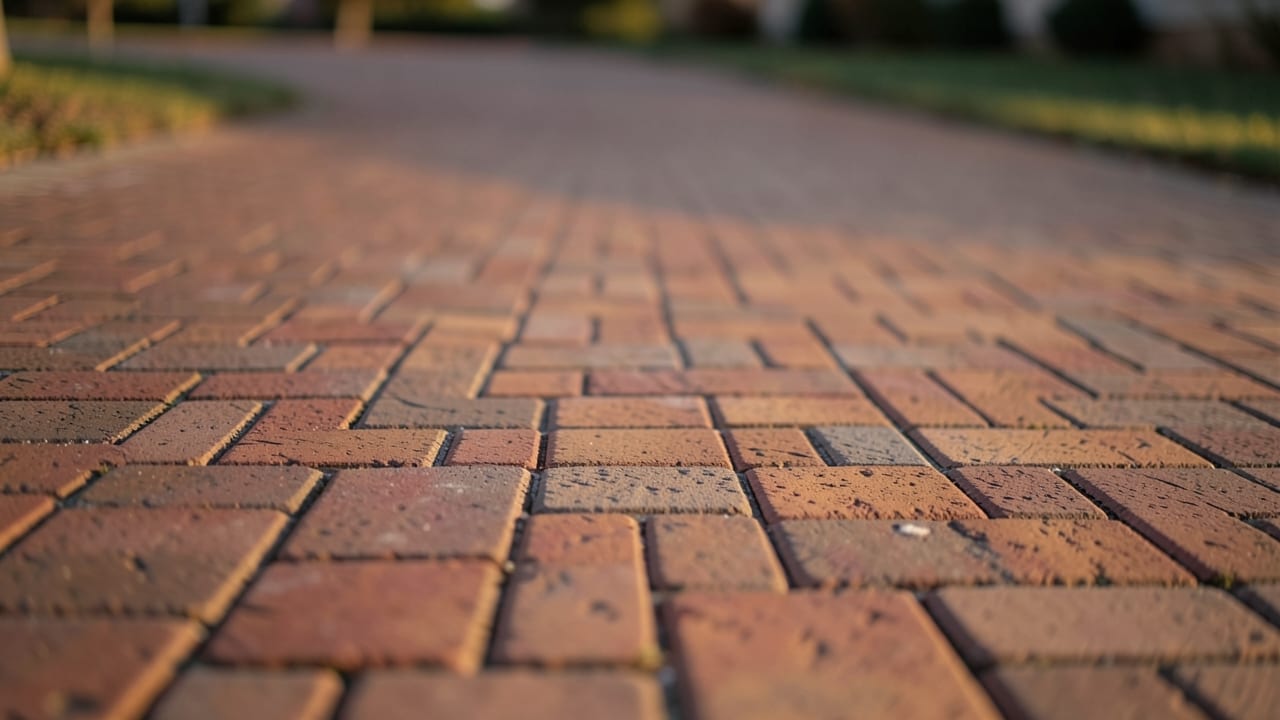
Salt Deposit Removal in Land O\, FL
High-pressure washing to remove salt deposits from surfaces like driveways and sidewalks.
Learn More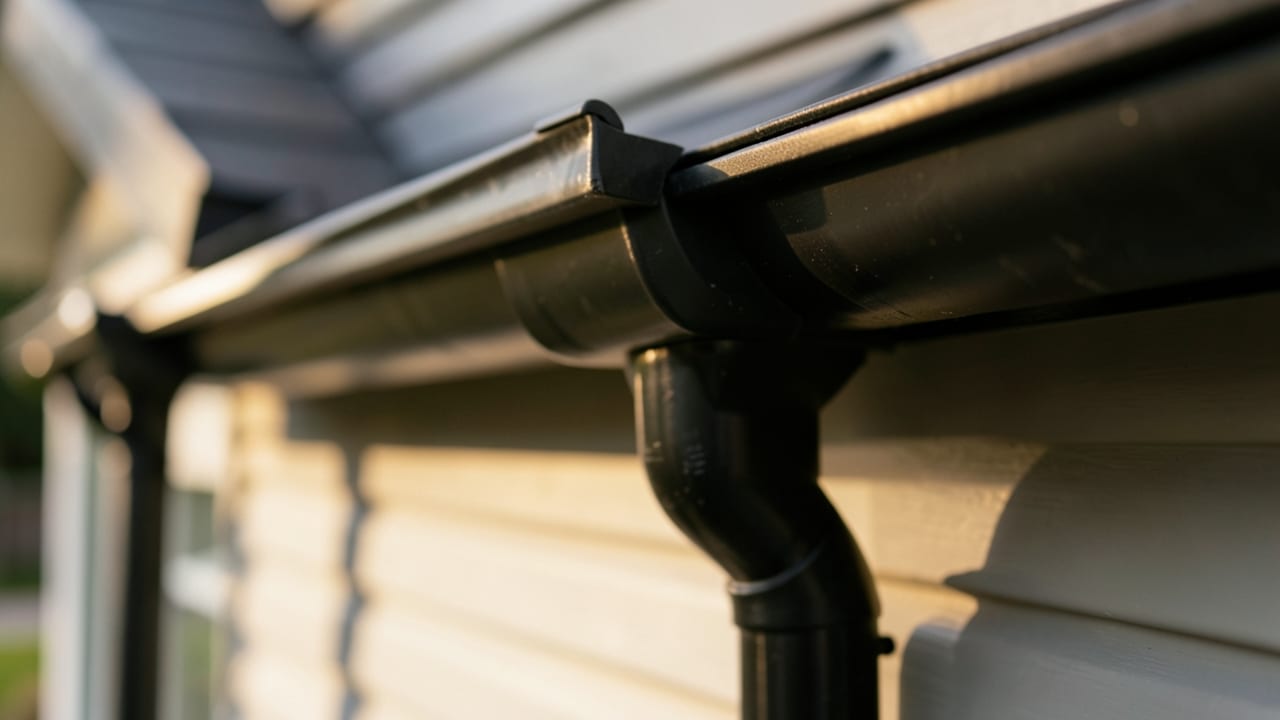
Pre-Winter Gutter Prep in Land O\, FL
Pressure washing gutters and downspouts to remove debris and prevent winter clogs.
Learn More
Spring Pollen Removal in Land O\, FL
High-pressure washing to remove pollen buildup from exterior surfaces.
Learn More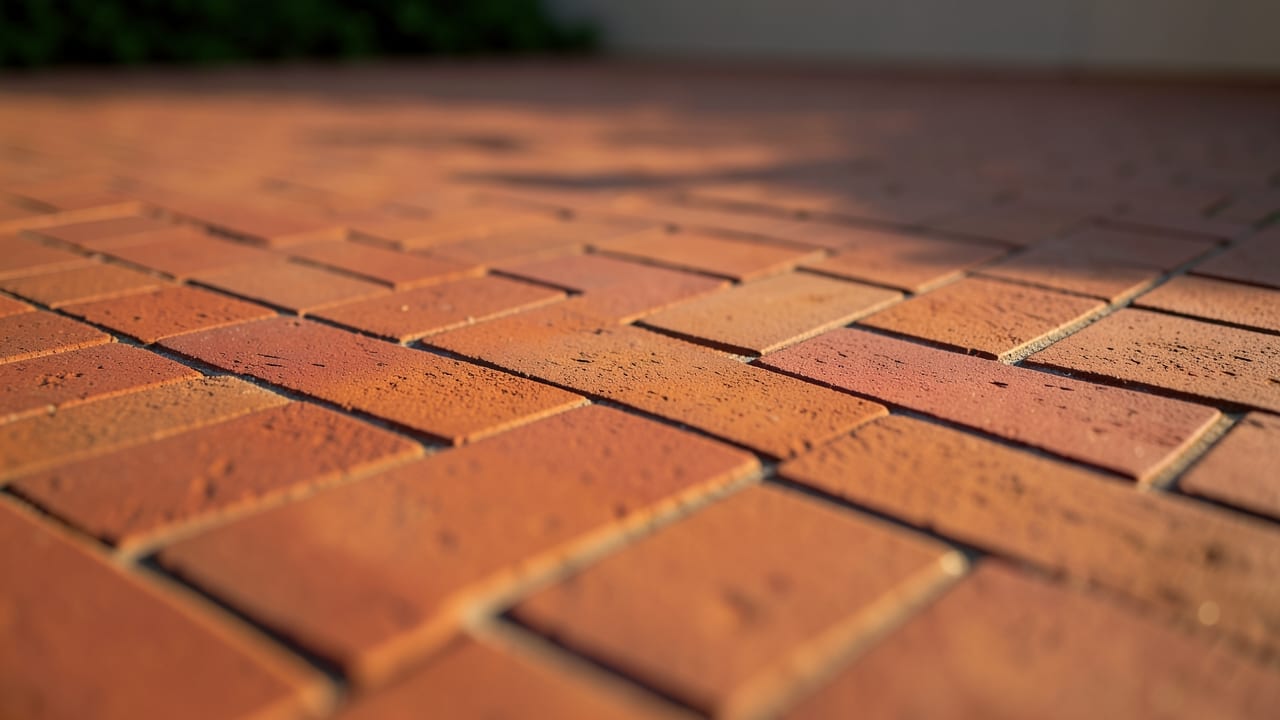
Annual Maintenance Wash in Land O\, FL
Yearly pressure washing to remove dirt, grime, and mildew from home exteriors.
Learn More
Restoration Wash in Land O\, FL
High-pressure cleaning to remove dirt, grime, and stains from exterior surfaces.
Learn More
House Washing in Land O\, FL
Soft-wash exterior house washing for siding, brick, and stucco in Land O\, FL — removes dirt, algae and mildew, without damaging the surface.
Learn MoreCommon Questions About Pressure Washing in Land O\
Everything you need to know about pressure washing services in Land O\
How much does Brick Cleaning typically cost in Land O\, FL?
Why does algae and mildew growth on homes in Land O\, FL come back so quickly?
Can pressure washing strip paint or an existing sealant off a surface?
Is renting a pressure washer and doing the job at home a reasonable option?
How long does washing a typical house exterior take?
Can pressure washing damage concrete, pavers, or mortar joints?
Need Pressure Washing in Land O\?
Get a written quote from our Land O\ crew.
⏰ We answer your call • Serving all of Land O\ and surrounding areas