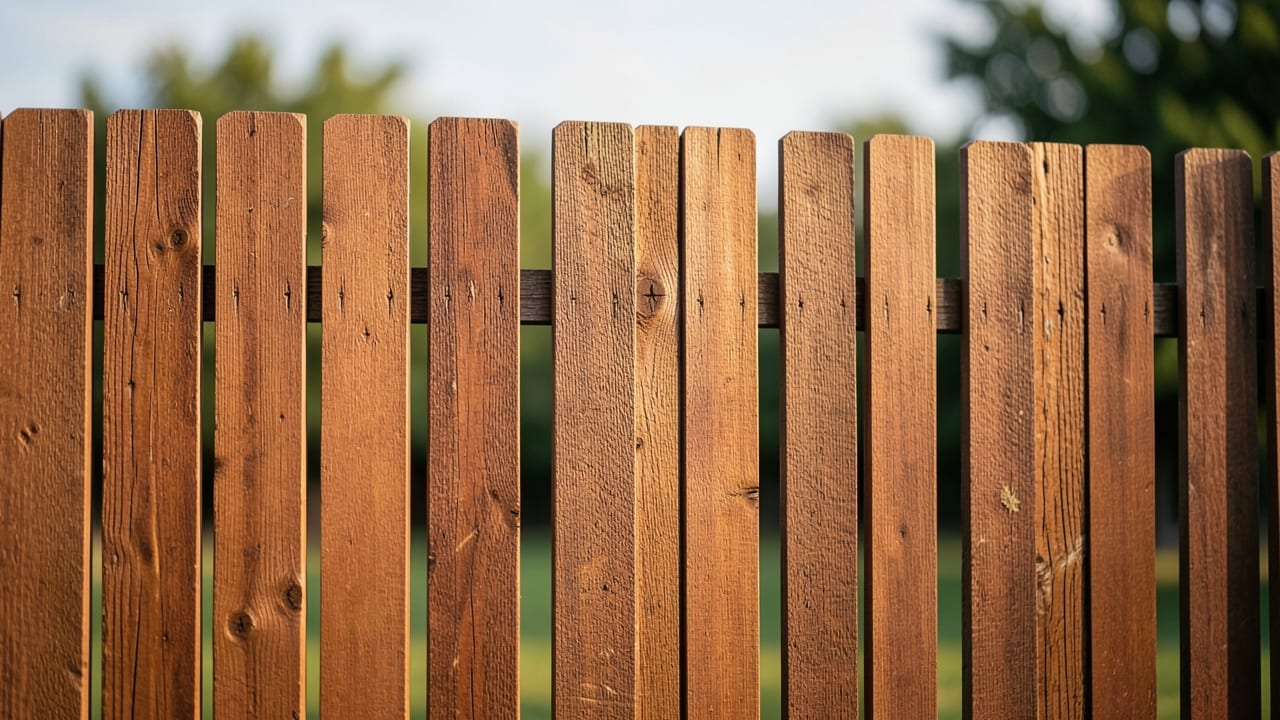
Restoration Wash
High-pressure cleaning to remove dirt, grime, and stains from exterior surfaces.
In Land O’ Lakes, FL, Restoration Wash specializes in high-pressure and soft-wash cleaning for driveways, decks, and exterior siding. Using targeted techniques and protective measures, the service removes mold, mildew, and stains while safeguarding landscaping and fixtures.
Ideal for restoring the look of concrete, wood, and vinyl surfaces, it’s designed for homeowners who want a thorough, damage-free clean.
We also handle Exterior Light Fixture Cleaning and Exterior Door Cleaning for Land O\ properties.
When to consider a siding clean
Siding in Land O’ Lakes often shows gradual buildup that’s easy to overlook. Green or black streaks on shaded walls are a sign of algae or mildew, while a chalky residue when running a hand over the surface suggests oxidation or accumulated grime.
Cobwebs and dirt collecting in corners or under eaves are early indicators that a deeper clean is needed.
Direct comparisons help identify hidden dirt. Removing a small planter or house number and comparing the covered patch to the exposed surface reveals how much the rest of the siding has faded or dirtied. Uneven streaking—sometimes called zebra striping—can also signal inconsistent cleaning methods, often visible on light-colored vinyl.
Signs Your Siding Needs Cleaning
- Green or black streaks on shaded walls (algae/mildew).
- Chalky residue when touching the surface (oxidation or grime buildup).
- Cobwebs, dirt, or insect debris in corners, under eaves, or around fixtures.
- Visible fading or discoloration when comparing covered vs. exposed siding patches.
What affects pricing and timing
The size of your home and the materials used (vinyl, wood, stucco, or fiber cement) influence the cost and time needed. Each surface requires a different approach—vinyl may need lower pressure to avoid damage, while concrete can handle higher PSI.
The presence of heavy algae or mildew may require additional passes, extending the job.
Local conditions like shaded walls, overhanging vegetation, or sprinklers aimed at the siding can also affect how quickly dirt re-establishes. Addressing these factors—such as trimming plants or adjusting sprinklers—can help the clean last longer between services.
Protecting your home during cleaning
Before any nozzle is turned on, landscaping near the foundation is wetted down and covered, and outlets or fixtures are bagged. This prevents cleaning solution runoff or overspray from damaging plants or electronics.
The process begins with a detergent pre-treatment tailored to your siding material, breaking down algae and mildew chemically before rinsing.
Low-pressure rinsing (under 500 PSI) ensures even coverage without forcing water behind siding seams, which can lead to hidden mold or rot. Stubborn stains receive a second, concentrated pass rather than higher pressure, which can push water into wall cavities.
Directing a pressure wand into siding seams or using incorrect PSI for the material (e.g., concrete settings on stucco) can force water behind panels or crack surfaces. Always confirm the method and pressure settings match your home’s materials.
How pressure washing works for siding
A thorough siding clean follows a step-by-step process to remove dirt and stains safely.
- 1Pre-Treatment
A detergent formulated for your siding type (vinyl, wood, stucco, or fiber cement) is applied at low pressure and left to dwell, chemically breaking down algae and mildew.
- 2Low-Pressure Rinse
The siding is rinsed top-to-bottom with a wide-fan tip under 500 PSI, ensuring even coverage and preventing streaking from inconsistent wand speed.
- 3Spot Treatment
Heavily stained areas receive a second pass with a concentrated solution, avoiding higher pressure that could push water behind seams.
- 4Final Inspection
A clear-water rinse removes residue, and the siding is walked in daylight to check for missed spots or damage, such as lifting panels.
Frequently asked questions
How do I know if my siding needs a deep clean instead of just a rinse?
Look for green or black streaks on shaded walls (algae/mildew), chalky residue when touching the surface, or cobwebs in corners. If removing a small item like a house number reveals a cleaner patch underneath, the rest likely needs attention.
Will pressure washing damage my vinyl siding?
Incorrect pressure or technique can crack seams or strip the finish, but a professional uses low PSI (under 500) and wide-fan tips designed for vinyl. Always confirm the method matches your material.
How often should I clean my siding to keep it looking new?
Frequency depends on shade, moisture, and local conditions. Trimming vegetation away from walls and adjusting sprinklers can slow re-establishment. A professional can assess your home’s specific needs during the service.
What should I do if I notice streaks or missed spots after cleaning?
Uneven streaking often results from inconsistent wand speed. If spots remain, a second pass with the correct detergent may be needed. Always request a daylight inspection to catch issues before leaving the site.
See Connerton, FL for more, or take a look at what we cover for Land O\ properties in one place for our complete lineup.
Ready to get started?
Talk to a local pressure washing pro in Land O\ — get a written quote.
Other Pressure Washing Services in Land O\
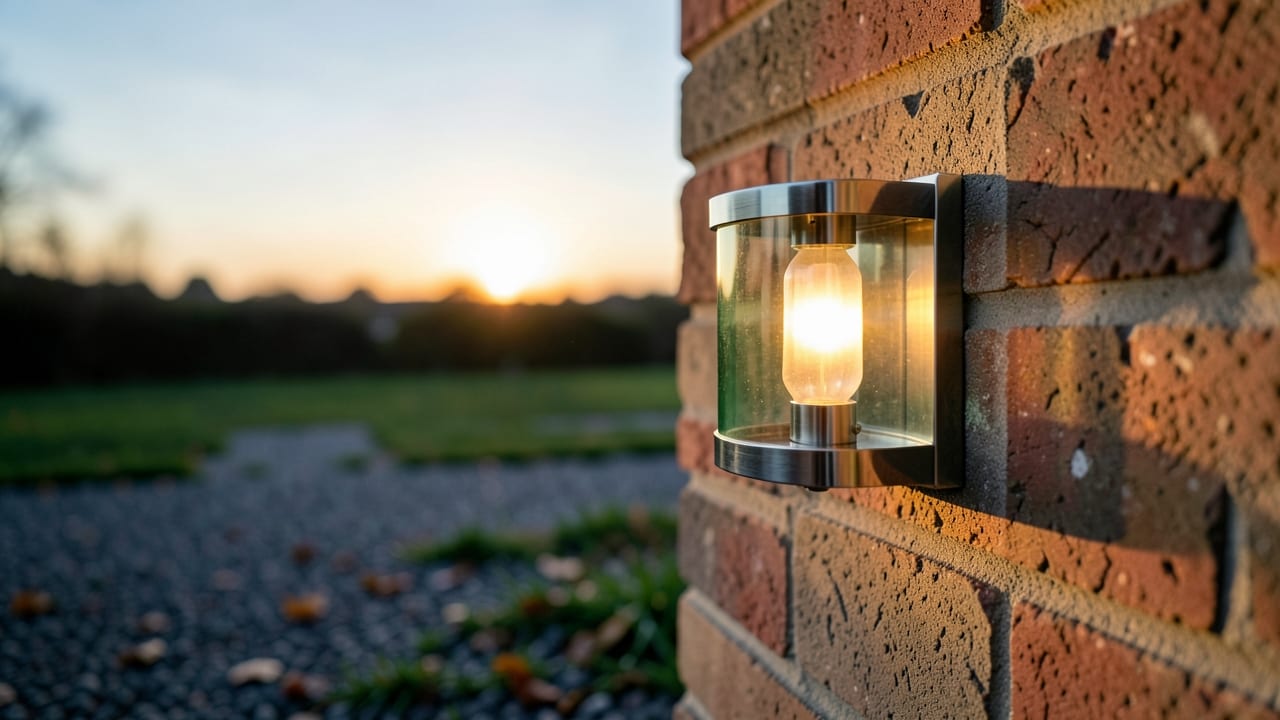
Exterior Light Fixture Cleaning in Land O\, FL
Professional cleaning of outdoor light fixtures to remove dirt, grime, and debris using pressure washing.
Learn More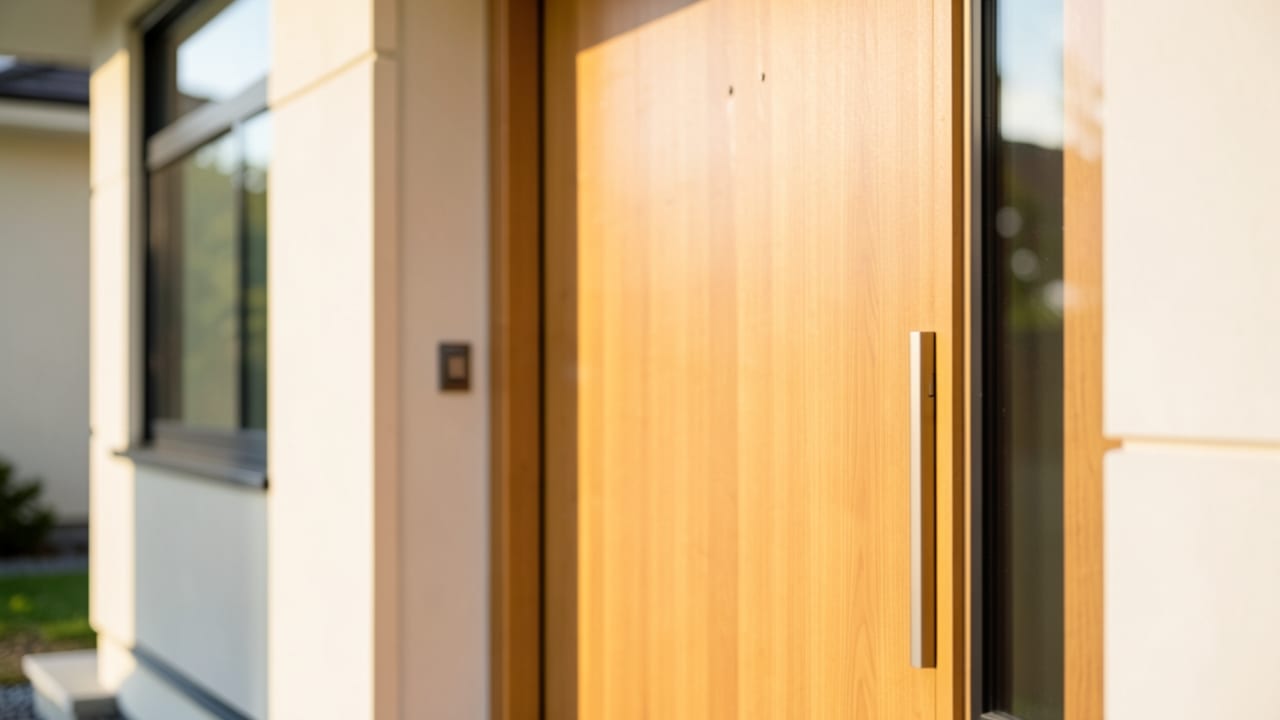
Exterior Door Cleaning in Land O\, FL
High-pressure cleaning to remove dirt, grime, and stains from exterior doors.
Learn More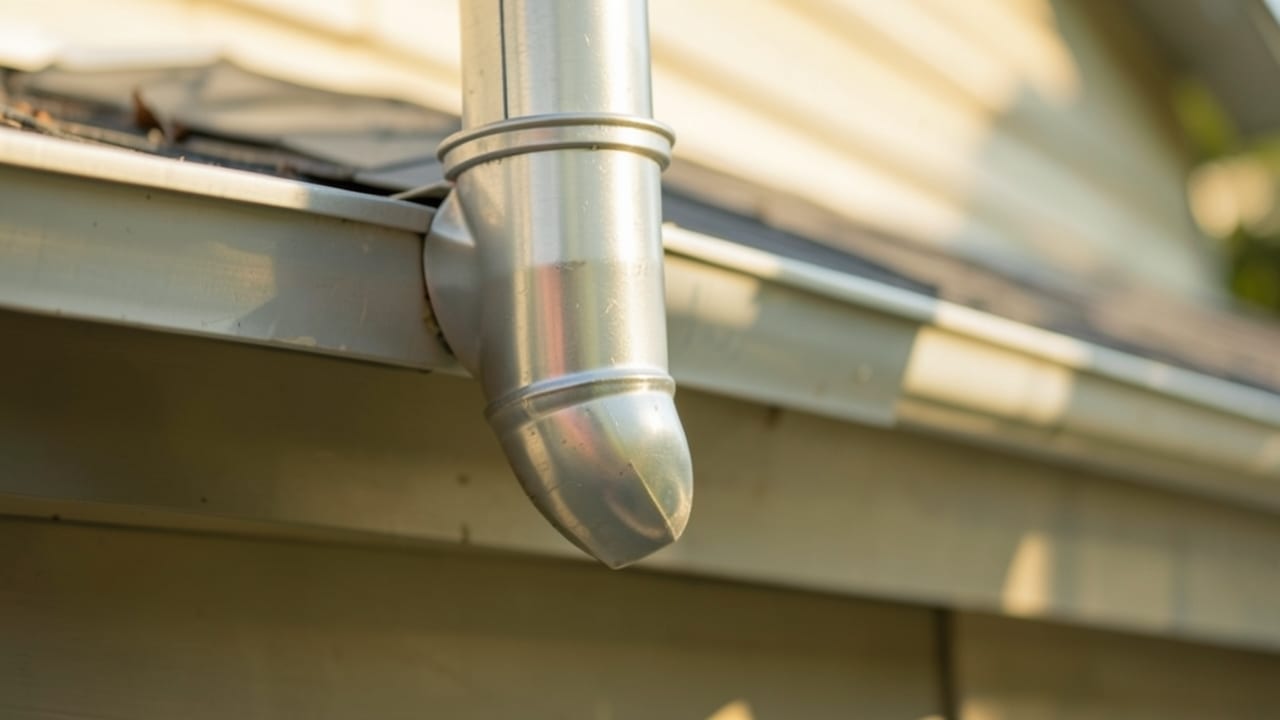
Downspout Cleaning in Land O\, FL
Clearing clogged downspouts to ensure proper drainage and prevent water damage.
Learn More
Apartment Complex Washing in Land O\, FL
High-pressure cleaning of apartment building exteriors, walkways, and common areas to remove dirt and grime.
Learn More
Condo Association Washing in Land O\, FL
High-pressure cleaning of condo association exteriors, walkways, and common areas to remove dirt and grime.
Learn More
HOA Common Area Washing in Land O\, FL
Pressure washing HOA common areas like sidewalks, playgrounds, and entryways to remove dirt and grime.
Learn MoreCommon Questions About Pressure Washing in Land O\
Everything you need to know about pressure washing services in Land O\
How much does Restoration Wash typically cost in Land O\, FL?
Why does algae and mildew growth on homes in Land O\, FL come back so quickly?
Is renting a pressure washer and doing the job at home a reasonable option?
How long does washing a typical house exterior take?
Can pressure washing damage concrete, pavers, or mortar joints?
What are the actual named steps in a professional pressure washing job?
Need Pressure Washing in Land O\?
Get a written quote from our Land O\ crew.
⏰ We answer your call • Serving all of Land O\ and surrounding areas