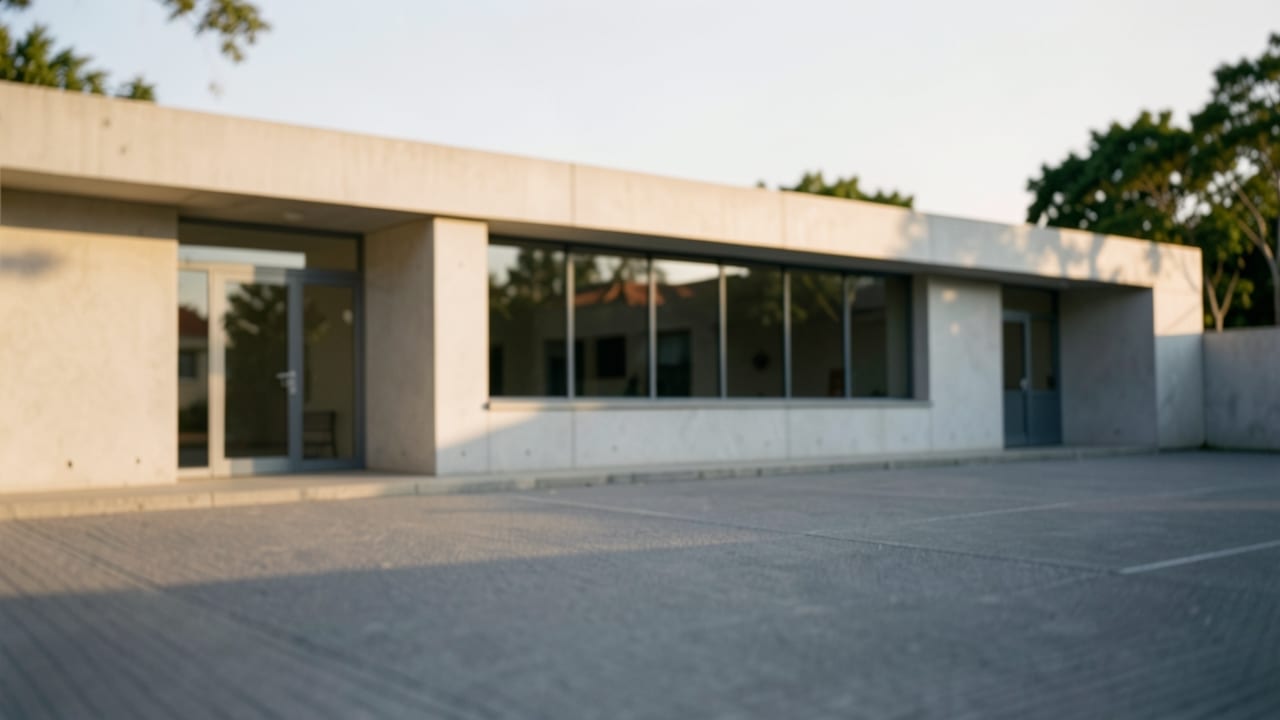
School Building Washing
High-pressure cleaning of school building exteriors to remove dirt, grime, and stains.
School building washing in Land O' Lakes, FL, uses high-pressure water to restore the exterior of school buildings by removing dirt, algae, and pollution stains. This process protects materials like brick, siding, and concrete from long-term damage while ensuring landscaping and fixtures are safeguarded during cleaning.
The method balances thorough cleaning with surface protection to maintain the building’s appearance and structural integrity.
We also handle Commercial Pressure Washing and Graffiti Removal for Land O\ properties.
When to consider school building washing
School buildings in Land O' Lakes often show gradual dirt buildup that can go unnoticed until it becomes noticeable.
Green or black streaking on shaded or north-facing walls is a sign of algae or mildew, while a chalky residue when running a hand over the surface indicates oxidation or accumulated grime. These issues spread over time if left untreated, making early attention more effective than waiting for widespread staining.
Check for cobwebs, dirt, and insect debris collecting in corners, under eaves, and around light fixtures—these are early indicators of grime buildup.
Removing small mounted items like house numbers or planters and comparing the covered patch to the exposed surface can also reveal how much fading or dirt accumulation has occurred. Addressing these signs promptly helps maintain the building’s appearance and prevents long-term material damage.
Signs School Building Washing Is Needed
- Green or black streaking on shaded walls (algae or mildew).
- Chalky residue when touching the surface (oxidation or grime buildup).
- Cobwebs or debris in corners, under eaves, or around fixtures.
- Visible fading or discoloration when comparing covered vs. exposed areas.
What affects pricing and timing
Pricing for school building washing in Land O' Lakes varies based on the total square footage of surfaces to be cleaned, including multiple buildings, parking structures, or lots. Municipal water reclamation or containment requirements may also influence costs, as these add logistical steps to the process.
Scheduling around operational hours or foot traffic ensures minimal disruption, which can impact timing and pricing.
The method used—pressure wash vs. soft wash—also affects the final quote. Soft washing, which uses lower pressure and chemical pre-treatment, is often safer for delicate surfaces like siding or stucco but may require additional time.
Pressure washing, while faster, carries risks if not applied correctly, such as damaging materials or forcing water behind panels. Always confirm the method per surface before agreeing to a quote.
| Factor | Impact on Pricing/Timing |
|---|---|
| Total square footage | Larger areas increase labor and equipment costs. |
| Water containment requirements | May add logistical steps, raising costs. |
| Surface material (siding, brick, concrete) | Determines method—soft wash vs. pressure wash. |
| Scheduling constraints | Cleaning during off-hours or low-traffic periods may adjust timing. |
Common missteps to avoid
Using the wrong pressure setting for the material can cause damage, such as cracking stucco, splitting vinyl seams, or stripping finishes from fiber cement. Each surface has a safe pressure range, and exceeding it can lead to costly repairs.
Similarly, forcing water behind siding panels can trap moisture, leading to mold or rot inside the wall cavity—an issue that may not appear until much later.
Inconsistent wand speed during cleaning leaves uneven streaking, often called zebra striping, which is more noticeable on light-colored surfaces. This is a technique problem, not a chemical one, and can be avoided with steady, overlapping passes.
Always confirm the provider’s method and equipment before the job begins to ensure proper execution.
Never use high-pressure settings on delicate surfaces like siding or stucco without confirmation from the provider. Forced water behind panels or inconsistent wand speed can lead to hidden structural issues or uneven finishes.
How school building washing works
This process combines chemical treatment and controlled pressure to clean without damaging surfaces.
- 1Surface and Fixture Protection
Landscaping near the foundation is wetted down and covered, and exterior outlets or fixtures are bagged to prevent damage from cleaning solution runoff or overspray.
- 2Detergent Pre-Treatment
A cleaning solution formulated for the specific siding material—such as vinyl, wood, stucco, or fiber cement—is applied at low pressure and left to dwell, breaking down algae and mildew chemically.
- 3Soft-Wash Rinse
The siding is rinsed at low pressure (under 500 psi) using a wide-fan tip, working top to bottom in overlapping passes at a consistent speed to avoid streaking.
- 4Spot Treatment and Final Rinse
Areas with heavier staining receive a second, concentrated pass, followed by a clear-water rinse to remove all detergent residue. The surface is then inspected for missed spots or damage.
Frequently asked questions
How do I know if my school building needs washing?
Look for green or black streaking on shaded walls, chalky residue when touching the surface, or debris collecting in corners and under eaves. Comparing covered and exposed areas can also reveal fading or dirt buildup.
Will pressure washing damage the siding or roof?
If done incorrectly, yes. Using the wrong pressure setting or forcing water behind panels can cause cracks, splits, or trapped moisture. Always confirm the provider uses a method suited to your building’s materials.
How often should school buildings be washed?
This depends on local climate, shade exposure, and nearby vegetation. Buildings in shaded or damp areas may need attention every 1–3 years, while sun-exposed surfaces can last longer. Regular inspections help determine the right interval.
Can I do this myself instead of hiring a professional?
DIY washing risks uneven cleaning, damage from incorrect pressure, or chemical runoff harming landscaping. Professionals use specialized equipment, detergents, and techniques to ensure safe, effective results.
See Elfers, FL for more, or take a look at what's included in our Land O\ service by service type for our complete lineup.
Ready to get started?
Talk to a local pressure washing pro in Land O\ — get a written quote.
Other Pressure Washing Services in Land O\
Commercial Pressure Washing in Land O\, FL
Pressure washing for storefronts, parking lots, and commercial properties in Land O\, FL.
Learn More
Graffiti Removal in Land O\, FL
Graffiti removal from exterior walls and surfaces in Land O\, FL.
Learn More
Solar Panel Cleaning in Land O\, FL
Solar panel cleaning in Land O\, FL — low-pressure, purified-water rinse that restores panel output without scratching the glass.
Learn More
Fleet Washing in Land O\, FL
Mobile fleet washing for commercial vehicles in Land O\, FL — on-site cleaning for work trucks and vans.
Learn More
Dumpster Pad Cleaning in Land O\, FL
Commercial dumpster pad cleaning in Land O\, FL — hot-water sanitizing for grease, odor, and staining.
Learn More
Paver Sealing in Land O\, FL
Paver sealing in Land O\, FL — a protective, wet-look finish applied after cleaning to lock in color and block stains.
Learn MoreCommon Questions About Pressure Washing in Land O\
Everything you need to know about pressure washing services in Land O\
How much does School Building Washing typically cost in Land O\, FL?
Why does algae and mildew growth on homes in Land O\, FL come back so quickly?
Can pressure washing strip paint or an existing sealant off a surface?
Is renting a pressure washer and doing the job at home a reasonable option?
How long does washing a typical house exterior take?
Can pressure washing damage concrete, pavers, or mortar joints?
Need Pressure Washing in Land O\?
Get a written quote from our Land O\ crew.
⏰ We answer your call • Serving all of Land O\ and surrounding areas