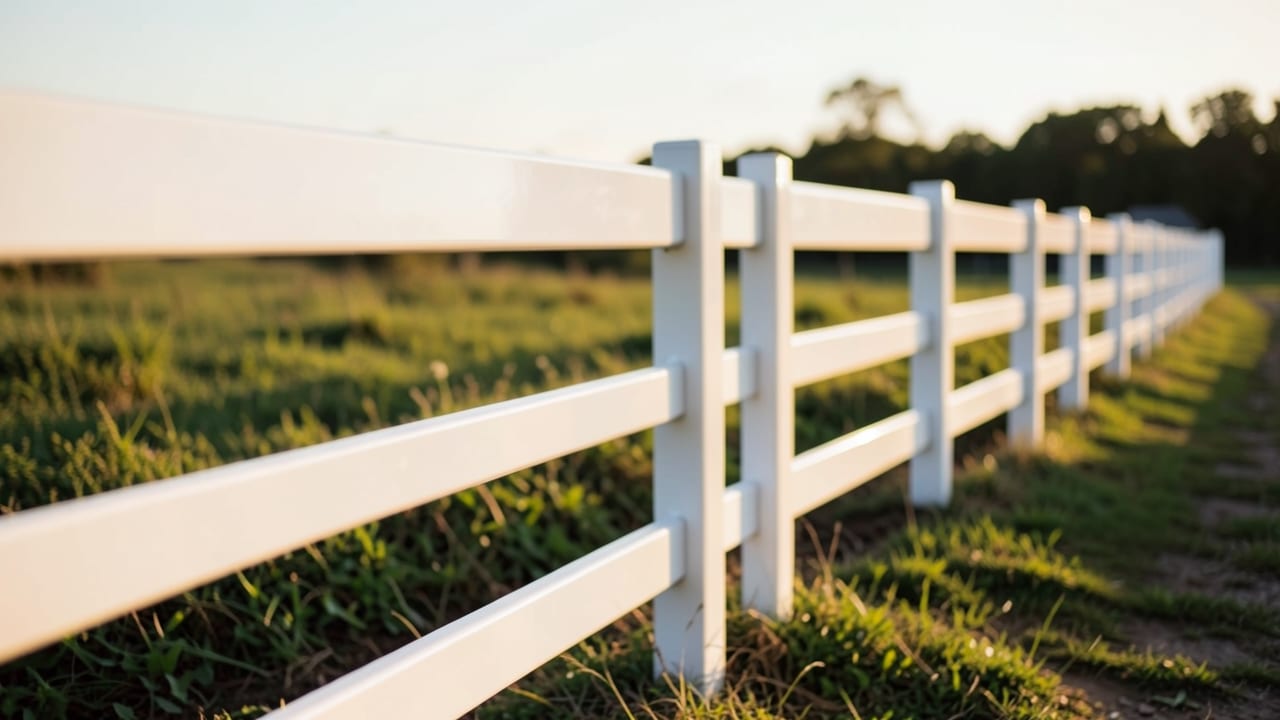
Vinyl Fence Cleaning
High-pressure cleaning to remove dirt, mold, and grime from vinyl fences, restoring their appearance.
Vinyl fence cleaning in Land O’ Lakes, FL, removes built-up dirt, mildew, and stains using pressurized water tailored to the material’s durability. The process targets both surfaces and crevices, restoring a clean, uniform look without harsh chemicals—ideal for maintaining curb appeal in the region’s humid climate.
Proper technique prevents damage while lifting grime trapped in the vinyl’s texture.
We also handle House Washing and Driveway & Concrete Cleaning for Land O\ properties.
When your vinyl fence needs cleaning
Vinyl fences in Land O’ Lakes often show early signs of wear before damage sets in. A uniform gray fade across the entire surface signals UV exposure breaking down the material, while concentrated greenish or black films under railings or in shaded areas point to algae or mildew growth.
These issues respond well to cleaning before they compromise the vinyl’s integrity.
Leaves and debris left to decompose on the fence feed algae directly into the material, accelerating discoloration. Regular sweeping—especially after storms or in fall—helps prevent buildup. If water beads up instead of soaking in, the vinyl’s protective coating may still be intact.
But if it absorbs quickly, the surface may need resealing to restore water resistance.
Signs Your Vinyl Fence Needs Cleaning
- Even gray discoloration across the entire surface (UV breakdown of the vinyl’s top layer).
- Dark streaks or black/green films under railings, in corners, or where airflow is restricted (algae/mildew).
- Water soaking into the vinyl instead of beading up (protective coating may be worn through).
- Visible dirt or grime embedded in the texture, especially after rain or humidity.
What affects cleaning results
The method used—pressure washing or a low-pressure detergent wash—depends on the fence’s condition and the dirt’s tenacity. Pressure washing at the wrong setting can damage softer vinyl or force water into seams, while a detergent wash lifts grime more gently.
Humidity and recent rainfall also play a role: cleaning on a dry, overcast day allows the fence to dry faster, reducing mildew regrowth.
The age and quality of the vinyl matter, too. Older or lower-grade fences may show deeper stains that require multiple passes or specialized cleaners. Newer, high-quality vinyl often responds to a single low-pressure wash. Always confirm the cleaner’s compatibility with your fence’s material to avoid discoloration or damage.
| Factor | Impact on Cleaning | Best Practice |
|---|---|---|
| Fence Age/Quality | Older or lower-grade vinyl may need stronger cleaners or multiple passes. | Check manufacturer guidelines before choosing a method. |
| Dirt Type | Algae/mildew requires low-pressure detergent; embedded dirt may need pre-soaking. | Inspect for films or stains to tailor the approach. |
| Weather Conditions | High humidity slows drying; rain can redeposit dirt if not fully rinsed. | Schedule cleaning on a dry, mild day. |
| Vinyl Texture | Smooth vinyl handles pressure better; textured surfaces trap grime longer. | Use a wider spray tip to avoid gouging crevices. |
After cleaning: maintenance tips
A clean vinyl fence lasts longer when moisture is kept off the surface. Rotate outdoor furniture, planters, and rugs periodically to prevent trapped dampness under them, which speeds up mildew regrowth. Sweeping leaves and debris regularly—especially in fall—stops organic matter from breaking down into the vinyl’s texture.
Reapplying a vinyl-safe sealant every 2–3 years (or as recommended by the manufacturer) helps maintain water resistance. Avoid power washing between sealings, as it can strip the protective layer faster.
If streaks or spots reappear within a year, the cleaning may need adjustment or the fence could benefit from a deeper clean.
Vinyl fences in Land O’ Lakes’ climate stay cleaner longer when shaded areas are targeted first. Trim back overhanging branches to improve airflow, and rinse the fence with a garden hose after heavy rain to prevent water spots. A quick monthly wipe-down with a damp microfiber cloth also reduces buildup between deep cleanings.
How vinyl fence cleaning works
The process uses pressurized water and specialized cleaners to lift dirt without damaging the vinyl.
- 1Pre-Inspection
The fence is checked for loose sections, deep stains, or areas where water may pool. This helps determine if a low-pressure detergent wash or pressure washing is safest for the material.
- 2Cleaner Application
A vinyl-safe detergent is sprayed at low pressure to break down grime, algae, and mildew. The solution is worked into the texture with a soft brush for stubborn spots.
- 3Rinsing
Water is rinsed off at a controlled pressure, following the fence’s contours to avoid forcing water into seams. This step removes loosened dirt without streaking.
- 4Drying
The fence is left to dry fully (typically 24–48 hours, depending on humidity) before any sealant is applied. This prevents trapping moisture under a new coating.
Frequently asked questions
Will pressure washing damage my vinyl fence?
Pressure washing can damage vinyl if the setting is too high or the nozzle is held too close, causing gouges or a fuzzy texture. A professional uses low pressure and wide-angle tips to clean without harming the material. Always confirm the method before starting.
How often should I clean my vinyl fence?
Vinyl fences in Land O’ Lakes’ climate typically need cleaning every 1–2 years, or more often if shaded areas develop mildew. Regular sweeping and rinsing can extend the time between deep cleanings.
Can I clean the fence myself?
DIY cleaning is possible with the right tools—a low-pressure washer, vinyl-safe detergent, and soft brush—but mistakes like wrong pressure or chemical use can cause discoloration or damage. Professionals assess the fence first to choose the safest method.
What’s the best time of year to clean a vinyl fence?
Late winter or early spring, when temperatures are mild and humidity is lower, is ideal. Avoid cleaning in extreme heat or cold, as the vinyl may not dry evenly, and never clean during rain or high humidity.
See Carrollwood, FL for more, or find out about what's included in our Land O\ service on a single page for our complete lineup.
Ready to get started?
Talk to a local pressure washing pro in Land O\ — get a written quote.
Other Pressure Washing Services in Land O\
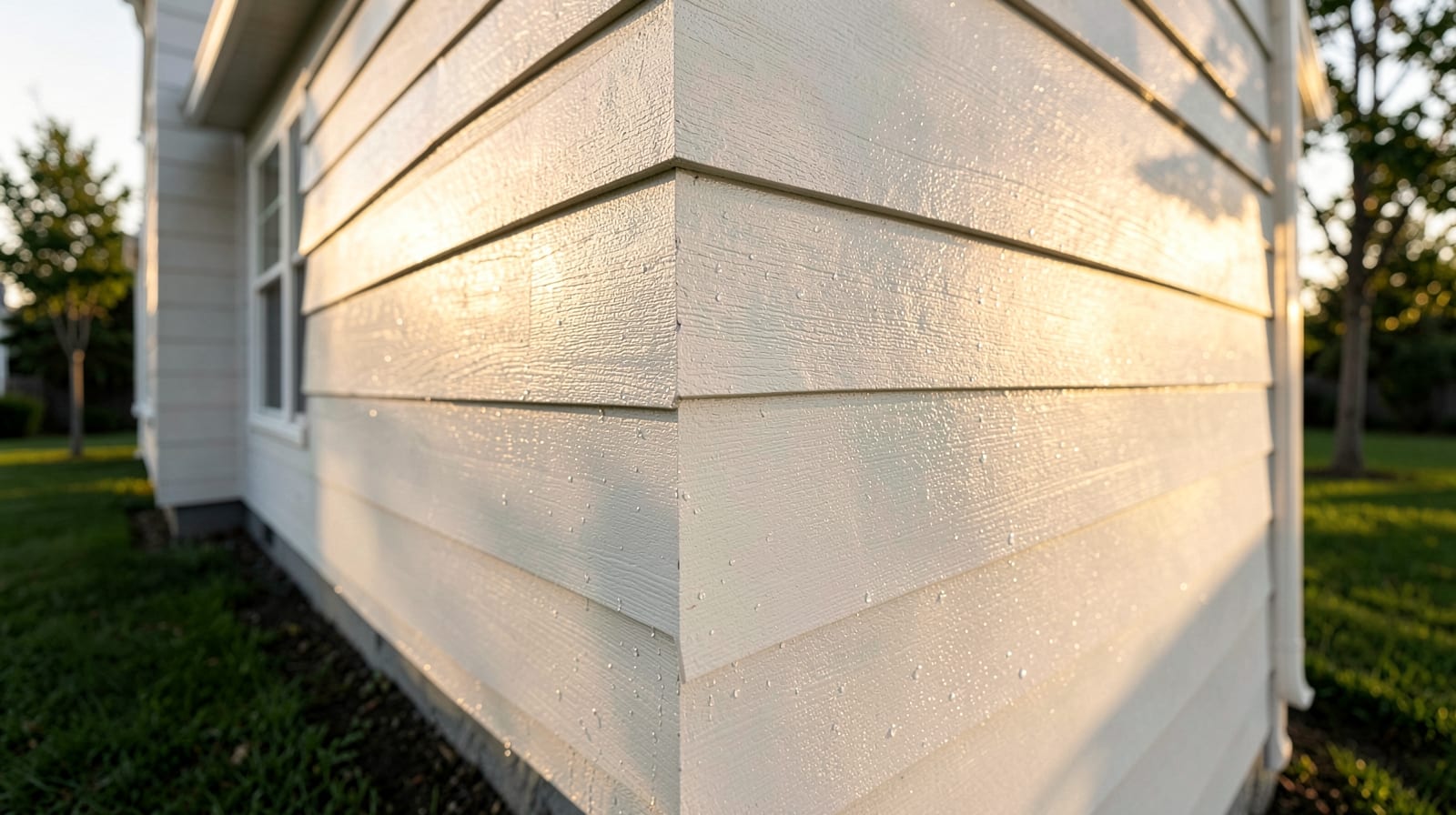
House Washing in Land O\, FL
Soft-wash exterior house washing for siding, brick, and stucco in Land O\, FL — removes dirt, algae and mildew, without damaging the surface.
Learn More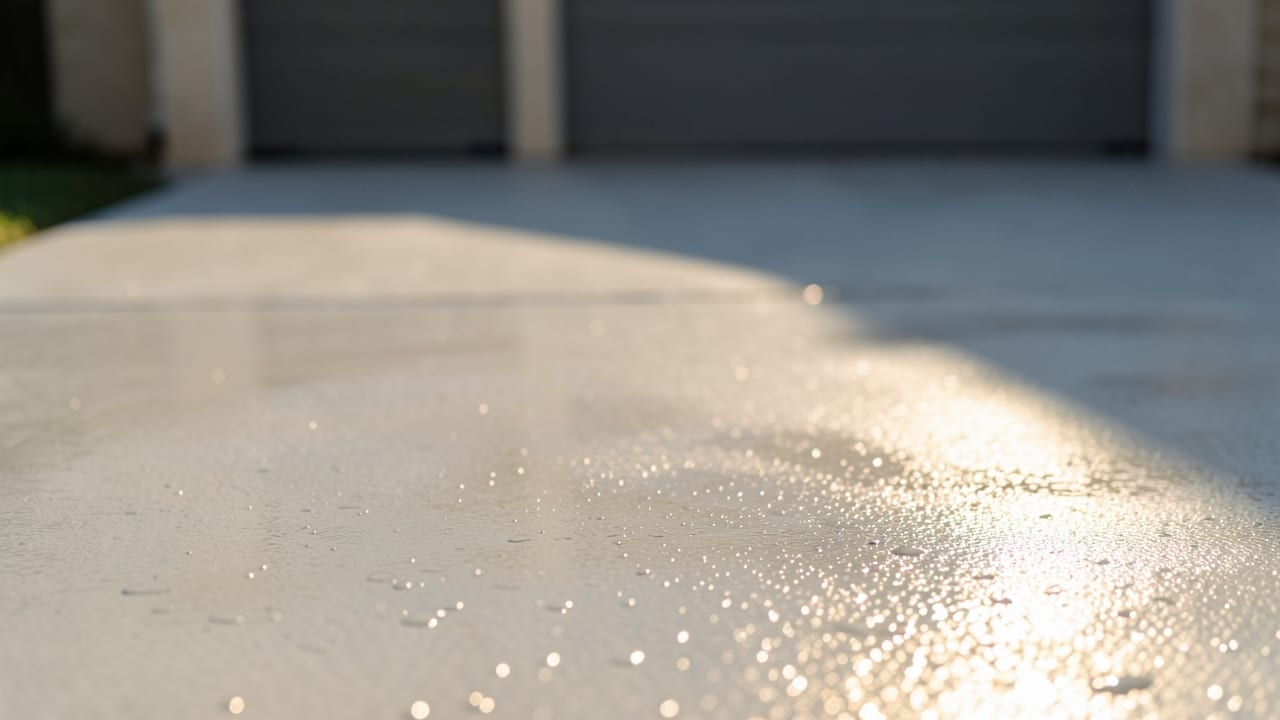
Driveway & Concrete Cleaning in Land O\, FL
Pressure washing for driveways, walkways, and patios in Land O\, FL — lifts oil stains, tire marks, and algae and mildew from concrete.
Learn More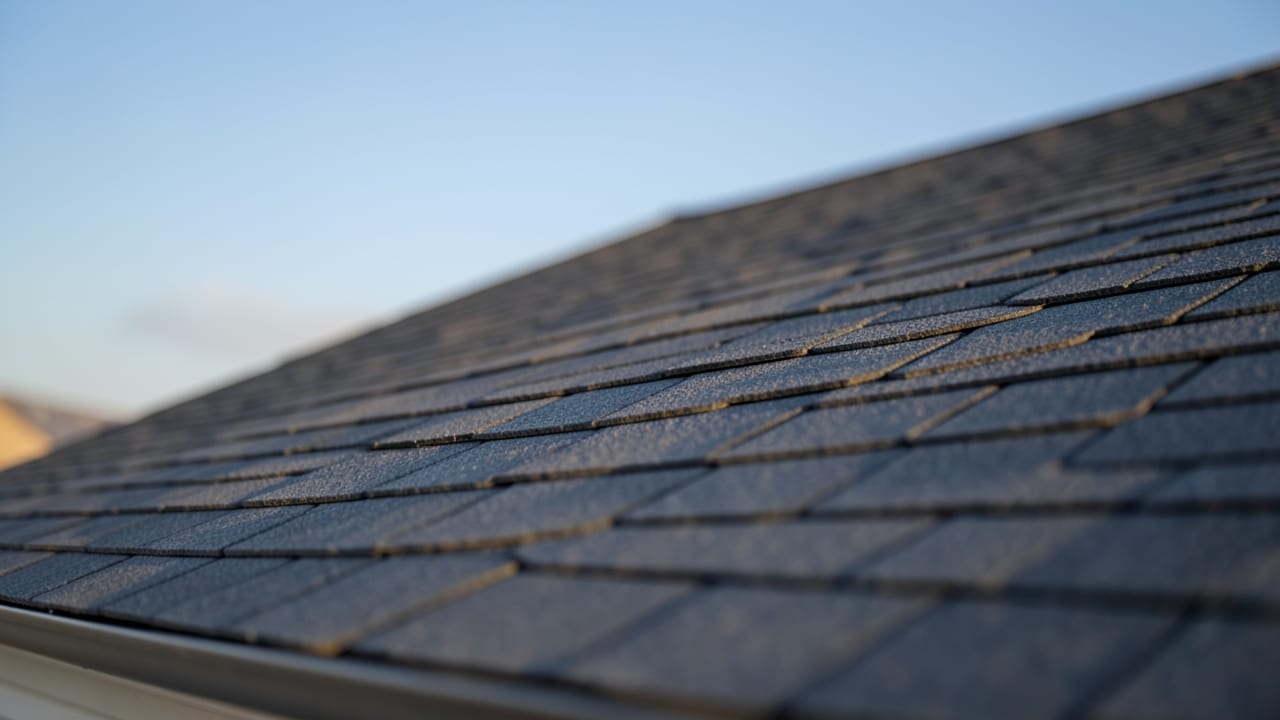
Roof Washing (Soft Wash) in Land O\, FL
Low-pressure soft-wash roof cleaning in Land O\, FL removes algae streaks without damaging shingles.
Learn More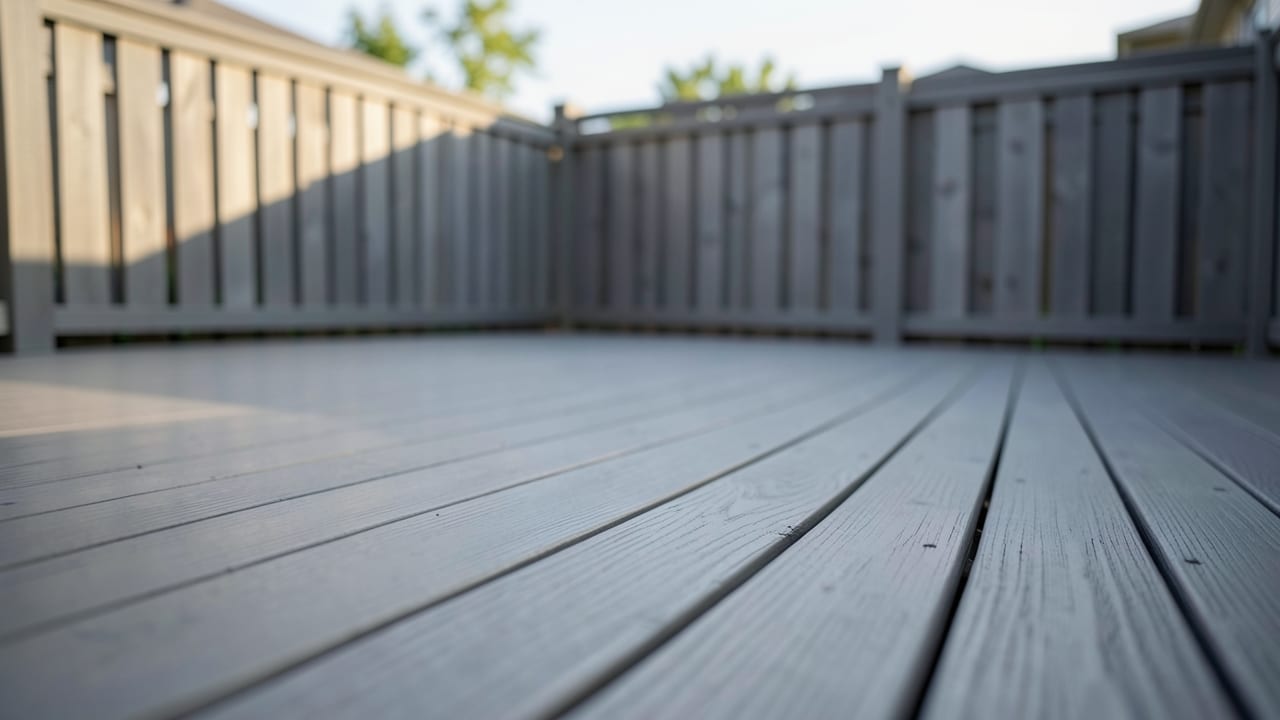
Deck & Fence Cleaning in Land O\, FL
Wood and composite deck and fence cleaning in Land O\, FL — restores surfaces before staining or sealing.
Learn More
Gutter Cleaning in Land O\, FL
Gutter and downspout cleaning in Land O\, FL to clear leaf buildup and keep water flowing away from the foundation.
Learn More
Window Cleaning in Land O\, FL
Exterior window and window-frame cleaning in Land O\, FL, often bundled with a full house wash.
Learn MoreCommon Questions About Pressure Washing in Land O\
Everything you need to know about pressure washing services in Land O\
How much does Vinyl Fence Cleaning typically cost in Land O\, FL?
Why does algae and mildew growth on homes in Land O\, FL come back so quickly?
How often should a home's exterior actually be washed?
Are the cleaning chemicals used in soft washing safe for landscaping and pets?
Would home insurance cover damage caused by improper pressure washing?
Can pressure washing strip paint or an existing sealant off a surface?
Need Pressure Washing in Land O\?
Get a written quote from our Land O\ crew.
⏰ We answer your call • Serving all of Land O\ and surrounding areas